Good News for the Soul

A women's health blog for mid-life women learning how to manage their health and their life.

Tag: COVID-19

  • Will you have to get the COVID-19 Vaccine Every Year?

    I’ve recently got my second Moderna shot.  Despite myself and many others getting their required two doses of this vaccine or the Pfizer shot, there are still possible reports we may have to get a booster shot every year.  Scientists have been asking a lot of questions about booster shots, but still haven’t found the answers.  However, they do estimate that the Pfizer-BioNTech, Moderna, and Johnson & Johnson vaccines will last at least a year.

    What we do know is that the National Institutes of Health recently announced a new clinical trial of people fully vaccinated of any authorized vaccine to see whether a booster will increase their antibodies and prolong their protection.  Let’s learn more about these booster shots, the chances of us needing them, and when we may need them exactly.

    How Effective COVID-19 Vaccines are in Protecting Us

    The vaccines developed against the SARS-COV-2 virus appear to be creating high levels of antibodies that do give protection.  Scientists have even found plenty of clues that vaccines such as Moderna and Pfizer offer lasting protection, possibly preventing the need for booster shots.  Just on Tuesday, Moderna announced that its vaccine is effective against all variants of COVID-19, including the Delta variant.

    However, there is still some research that needs to be done as to whether a yearly booster shot is needed.  Until then, all we could do is just rely on the protection we currently have against this disease.

    New Study Offers Promising News about Moderna and Pfizer

    In addition to this information, a new study was published Monday suggesting something else positive about the Moderna and Pfizer shots.  As long as variants don’t drastically evolve, the two vaccines could protect us from COVID-19 for years.  Because of this, likely we may not need any booster shots.  The study didn’t consider the Johnson & Johnson vaccine in its research, but it’s expected to be less durable.

    Don’t Rule Out Booster Shots

    Despite all of this information, don’t completely rule out booster shots just yet.  Some experts are saying that we might need a yearly one or one every few years.  To date, 62.8% of the adult U.S. population has received at least one dose of a COVID-19 vaccine, and more than 40% are fully vaccinated.  No matter what happens, let’s continue to do what we can to protect ourselves against this disease.

    What do you think?  Do you think we will need an annual booster shot?  If so, would you get one?  Express your opinions in the comments below.  As usual, feel free to like or share this post with someone you know.           

  • 4 Key Differences between COVID-19 and the Flu Virus

    We are almost in the winter season, or also known to some people as the influenza season.  With the COVID-19 pandemic still around, most people have been struggling with differentiating between the two diseases.  While the flu and the coronavirus both have widely similar symptoms and characteristics, there are a few key differences you must know to protect you and your family during this critical time.

    They are Caused by Different Viruses

    The first important thing to know about both illnesses is that they are caused by different viruses.  COVID-19 is caused by a virus called SARS-COV-2 and the flu is caused by an influenza-related infection.  While both diseases have similar symptoms such as fever, coughing, and shortness of breath, both have these different causes we should know about.

    One has a Vaccine, other doesn’t

    The obvious characteristic that distinguishes the two is the vaccine.  As we all know, experts in the medical industry are still working on a vaccine for COVID-19.  There have been some test trials of different vaccinations, but not an official approval yet.  It’s possible we won’t see an approved vaccine till sometime next year.  But until then, we must do all we can to continue to follow the protocol to lower our risk.

    They Spread in Somewhat Different Ways

    While both diseases are said to spread in similar ways, COVID-19 has become known for being more contagious amongst certain populations and age groups than the flu.  As we have seen in the news today, it has more super spreading events than the flu.  The flu has a vaccine and more approved treatments that keep it from being as fast of a spreading disease as COVID-19.

    The Timeline of Symptoms Appearing Differ

    For both illnesses, one or more days could pass between a person becoming infected and when they start experiencing symptoms.  However, if a person has the coronavirus, it could take them longer to start experiencing symptoms.  While it typically takes a person 1 to 4 days to experience symptoms of the flu, the amount of days could vary for COVID-19.  A person starts developing symptoms five days after being infected.  But it could take as early as two days or as late as 14 days for symptoms to start appearing.

    Those are just four of the differences to know between COVID-19 and the flu.  There are other distinguishing factors between the two that you and your family can learn about.  For more information on this, check out the CDC website.  Stay safe and like or share this post with someone you know.     

  • Don’t Let your Guard Down Even at Family Gatherings

    By now, you probably heard of the recent spike the city of Chicago has undergone in COVID-19 cases.  Sources are saying the reason for this increase is the social gatherings amongst close family and friends.  People have been attending these parties and still testing positive for the virus from their loved ones.  Some of them have been attending without masks and not social distance at all.  Now I know it’s been mentioned before in my blog.  But we must continue to protect ourselves, even when around close family members.

    Show Love to your Family just like a Perfect Stranger

    It could be an easy tendency for us to get a little comfortable around our own family.  But we are still in the middle of a pandemic and must continue to follow the protocol.  If you love your parent or relative, you will wear a mask and social distance when you have to visit them.  When you’re at work, more than likely you strive to wear your mask and maintain a safe distance from your fellow employees.  Why not do the same with your loved ones?  It will be the most loving act you will have ever shown to them.

    Some day soon, we will not have to social distance with our family. But for now, don’t let your guard down.

    Resist Letting Your Guard Down at all Times

    We must continue to protect our immune system as well as the immune system of others.  Just because we are around our family at these parties doesn’t mean that it’s okay to remove our masks.  Wash your hands and continue to social distance when you’re around them.  Personal hygiene should still be a top priority for you and your loved ones. 

    This increase in cases is due to an influx of social gatherings being held where people are not doing these things.  It’s also notable to bring out that people between the ages of 18-29 are mostly being hit by this increase.  We must do better to slow down this virus.  Your mask is your guard.  Don’t let your guard down even at family gatherings.

    Need some more positivity in your life these days?  Sign up to receive my “5 Encouraging Words” PDF list sent to your inbox.  If you have any questions or comments you like to leave about this post, feel free to share in the comments section below.  Also, be sure to like or share this post with someone you love.    

  • Four Activities You Can do with Caution this Summer

    With many businesses reopening this past week and summer in full bloom, many people are wondering if there are any summer activities out there that you can engage in with caution.  I just recently listened to an episode of a WebMD podcast and a doctor shared some insights on how we could be safe and still enjoy summer.  Here are four summer activities he mentions that is okay to do as long as we are being careful.

    Wear a Facemask at the Beach if necessary

    You could still enjoy a nice day at the beach.  Just be sure you bring your mask and maintain the required social distance from others.  It isn’t necessary to have it on while maintaining six feet or more distance.  But if you come to a predicament where you end up having close interactions with people, you better be sure to have your armor on you.

    Taking a Walk at the Park with Someone

    Another activity mentioned in the podcast is taking a walk in the park.  If you want to go out with a friend to enjoy the summer breeze, you’re welcome to do so.  Just make sure you are following the protocol of six feet distance and wearing a mask. 

    Please be sure to do these things even when talking to your friend.  Respiratory droplets can contain the virus if you are infected.  The louder your voice is when speaking, the faster the air comes out of your mouth.  This will lead to more respiratory droplets traveling far in the air.  So you may not want to spend so much time talking to your friend face to face.

    Playing Tennis

    Tennis is considered a little less COVID risky than the other sports

    Sports that involve close contacts, such as basketball and football, have postponed their seasons, and fewer people have been playing them.  However, one good sport that is considered reasonably safe is tennis.  It doesn’t involve as much contact as the other sports.  Just be sure you’re not potentially transmitting the virus on the ball.  Avoid putting your hands on your face and transmitting anything to the ball.

    Going for a Drive     

    Driving is a little different than flying because you’re able to control your risk better.  You could wear gloves while pumping gas in your car.  Be sure to sanitize your hands afterward.  Another way to lower your chances of contraction is by paying at the pump instead of in the store.  So if you’re thinking about going on a road trip this summer, just make sure you have everything you need to stay safe.

    These are some of the activities that were mentioned in the podcast episode that is okay to do.  Just make sure you are doing them with caution.  For more information, check out the WebMD podcast, “What’s Safe? What’s Risky? Tips for Our New Normal.”

  • Staying Safe during our City’s Reopening

    By now you have heard the news about our Windy City Chicago deciding to reopen the vast majority of its businesses to boost the economy.  On paper, this may sound like something to be happy about.  Summer is almost here and nobody likes to mostly stay inside during this time of the year.  However, the reality is that this virus is still spreading.  So we must still exercise caution and not put ourselves at risk.  If the company where you work is opening up or your favorite restaurant is going back into business, here are some things you need to know.

    Wear a mask when you’re around people

    I know it’s been said often, but it bears repeating.  If you’re in a public place, you have to wear a protective face mask.  Most people, including myself on a few occasions, have been guilty of wearing it while driving.  I can tell you that doing this isn’t exactly necessary.  If you’re in the car by yourself, it’s okay to take it off.  Wearing one for a long period could reduce the oxygen in the blood and the brain.  So try to wear one only when it’s necessary and that’s when you’re around people.

    Wear a mask when you’re out in public.

    Keep your immune system up

    Make sure you’re doing everything to strengthen your immune system.  I’ve heard recently that the acidity level of the coronavirus varies from 5.5 to 8.5.  So try to nourish your system with more alkaline foods above the acidity level of the virus.  Some of these foods include mangos, garlic, avocado, oranges, and pineapples, just to name a few.  These foods are common in a lot of great recipes, too.

    Make sure your company is doing everything to keep you safe

    Many people are going to be heading back to their respective places of work.  It is important to find out what is your company’s plan of protecting their employees from the virus.  Are they constantly reminding people to sanitize their cubicles?  Are they serious about having their employees wear masks and social distance?  You should also do your part in properly sanitizing to lower your risk.

    Wash your hands, wash your hands

    I understand that you’re tired of hearing this, but it’s one of the only ways of keeping your risk down.  You must wash your hands for at least 20 seconds.  Even if you’re not by a sink with a bar of soap, please bring a hand sanitizer with you at all times.  Clean, germ-free hands have a big impact on your health.

    I hope you find these tips helpful.  If you’re going back to work next week and you have other tips for staying germ-free, feel free to share in the comments section below.  For more help in dealing with these hard times, sign up for my “5 Encouraging Words” list today. 

  • You Must Wash your Hands after Touching these 4 Items

    We’ve been talking a lot about the coronavirus and the importance of hand washing.  That’s because this form of personal hygiene is one of the keys of killing this virus.  Washing your hands is always important, whether we’re dealing with a pandemic or not.  But after touching these following items, it’s especially important and here’s why.  Most of us tend to forget how germy these items are.

    Grocery Cart Handles

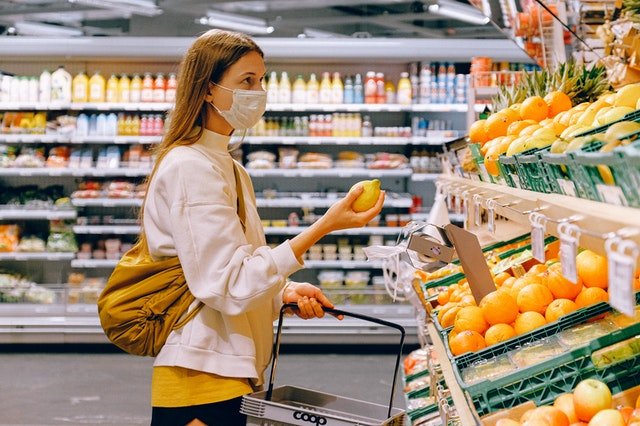
    There’s a reason why stores like Walmart have a healthy stock of sanitizing wipes for shoppers to wipe these handles down.  Grocery cart handles are touched by many people.  They are exposed to many germs carried by people after handling produce or raw meat.  Even worse your cart could’ve been pushed by someone suffering the cold or the flu.  So after you get touched these handles, definitely wash your hands or apply some hand sanitizer as soon as you can.

    Door Handles & Elevator Buttons

    Wash your hands after touching germy door handles.

    These are important items in a home that you must wipe down constantly because they are also touched by many people.  You must also wash your hands after touching them.  After opening doors in buildings or hospitals, please wash your hands or apply a hand sanitizer.  Flu viruses can last for 24-48 hours on materials such as plastic or stainless steel.  There are reports that the coronavirus illness could live on surfaces as well.

    Dollar Bills

    A lot of times we tend to forget that money has germs.  It has been handled by many people before it comes to you.  In fact, one study shows that the flu virus can live on paper money for as long as 17 days.  So be sure to give your hands a good washing after dealing with transactions.

    Shared Pens

    Another item that we share amongst each other is pens.  That is why it’s important we use our own pens when out in public.  However, if you have to use somebody else’s pen, be sure to wash your hands afterwards because germs can live on hard surface of objects like pens.

    Protect yourself at all times during this pandemic.  Follow the CDC guidelines in washing your hands with soap and water for at least 20 seconds before rinsing.  Make your personal hygiene a top priority.  For more information on other germy items, check out the article, “Wash your Hands after Touching These 11 Items.”  Feel free to leave a comment below.   

  • Atlanta-based Company gives back to Beauty Professionals and Chicago High School Students

    Many businesses are giving back to help others during the COVID-19 pandemic.  One business, in particular, is Atlanta-based company Walker & Company Brands.  The health and beauty products company recently partnered with Atlanta’s Mayor Keisha Lance Bottoms on “Giving Tuesday” to support her recently announced initiative- the “Strength in Beauty” fund.  This initiative provides grants for Atlanta beauty & grooming professionals whose businesses have been negatively impacted by this pandemic.

    Bevel beauty & grooming products

    “We salute Mayor Bottoms’ leadership, standing firm to help bridge the gap for those in need throughout the COVID-19 pandemic,” Walker & Company Brands Founder and CEO Tristan Walker.

    In addition to partnering with Mayor Bottoms in helping beauty professionals, Walker & Company Brands is helping local high school students here as well.  In continuation of their partnership with their award-winning grooming brand Bevel, Walker & Company has donated laptops to Chicago Urban Prep Academies students in helping them continue their education during this difficult time.

    “Bevel is committed to the success and empowerment of Black men.  A big part of that is education.  We want to ensure that there are no barriers to education.  We are beyond happy to continue our support of the young Black men of Urban Prep Academies,” Tia Cummings, Vice President of Marketing, Walker & Company Brands.

    Let’s hope more companies be like this company in helping small businesses hit by this pandemic.  For more information on the Strength in Beauty fund, visit https://secure.givelively.org/donate/united-way-of-greater-atlanta-inc/strength-in-beauty-fund.  Need more positive news?  Check out my PDF list, “5 Encouraging Words for Those Dealing with a Chronic Illness.”  Also, like or share this positive story or leave a comment below.     

  • Having a baby during the Pandemic- What you can expect

    This pandemic has caused a lot of setbacks and adjustments for many people.  But for expecting mothers, it has caused some extreme adjustments.  A lot of them have involved making special preparations for their labor with their doctor during this pandemic. 

    I was listening to a WebMD podcast that touched on this topic.  It was an interview with WebMD medical editor Neha Pathak, MD, who is an expecting mother.  She shared a lot about what new parents should know about delivery in a hospital or other setting, what happens when the expecting mother or their birth partner tests positive for coronavirus, and how mothers can keep their newborns safe.  Here are some of the key takeaways from that podcast.

    Podcast episode touches on what mothers could expect when giving birth during pandemic

    Is it even safe to give birth in a hospital now?

    According to Pathak, it depends on the amount of COVID-19 cases in the area you live and depending on what they are seeing.  “A lot of hospitals are doing whatever they can to proactively protect their pregnant patients and their newborns,” she says.  She even says that some places are limiting visitors and just allowing the birth partner with the expecting mother only.  They have been screening expecting mothers and their partners for symptoms before entering the hospital.  Expecting mothers must be screened 24-48 hours for symptoms before entering. 

    But what happens when an expecting mother is tested positive for coronavirus?  She says a lot of hospitals have been separating COVID-19 positive pregnant mothers from non-positive pregnant mothers.  “If the pregnant person is tested positive for COVID-19, a lot of hospitals have been trying to create separate areas on the labor and delivery floor,” she says.

    How have doctors and mothers been staying safe while delivering?

    Of course, doctors are expected to wear proper PPE while performing deliveries.  But can you imagine a mother having to wear a mask while being in labor?  That is what Pathak mentioned in the podcast.  “Hospitals are requiring expectant mothers who are tested positive to wear personal protective equipment,” she said.  “It is likely that they will need to wear a face mask while in labor.”

    Most hospitals have also been cutting down on pregnant women and their partners wandering the hallways.  “Previously before COVID-19, you would see pregnant women and their partners wandering the hall.  “You’re not going to see that anymore,” she said.

    What about other options for childbirth?

    Pathak also addressed whether mothers should consider other places for giving birth if they don’t want to take the risk of being in a hospital.  Some of these options include birthing centers or at-home births.  But before you start making those plans, there are certain things you have to consider.  “If you haven’t been planning or preparing for a home birth, it’s probably not the best time to consider switching to one,” she says. “It could be really hard to switch towards the end or the middle of your pregnancy.”  The position of the baby also plays a role in whether it’s okay or not to consider a home birth.  As for birthing centers, if you also haven’t planned to give birth in this area, it may not be such a good idea to consider this.

    There were a lot of great takeaways I got out of this podcast episode.  It requires careful preparation to safely have a baby during this pandemic.  For more information on how you could keep your newborn safe, check out the episode, “Pregnancy in a Pandemic” on WebMD today.          

close

Get my Two Watercolor Eucalyptus Thank you Cards sent to your inbox!

Verified by MonsterInsights