Good News for the Soul

A women's health blog for mid-life women learning how to manage their health and their life.

Category: Mental Health

  • 4 Steps in Coping with the Challenges of Managing Depression

    Millions of Americans are coping with depression and it’s causing them to lose their ability to function everyday. This illness has affected all sorts of people, but it has especially impacted women. Many women, particularly ones who have just given birth, have experienced depression. Managing this condition isn’t always easy for those going through it as well. But in this post, I’ll examine the difficulties associated with depression, 5 facts about the mental illness, and 4 steps you could take in coping with managing it.

    What are the Difficulties of Depression?

    There are plenty of difficulties a person suffering from depression goes through. People going through this mental disease experience various symptoms that cause them to lose their ability to function every day. It’s not easy living with depression due to the following symptoms:

    • disrupted sleep
    • feeling very lethargic
    • poor concentration
    • losing weight
    • thoughts of suicide or dying
    • feelings of low self-worth

    Being depressed causes you to become physically sick, not just mentally. You have no zest for life. When a person is depressed, they feel as if they’re just going through the motions and don’t know what to do with themselves. It’s an unfortunate health condition that’s difficult to manage and could impact your life if you allow it to do so.

    woman crying
    Depression could cause you to have thoughts of sadness.

    What are the 5 Facts about Depression?

    Depression is affecting so many adult Americans and their quality of life. If you or someone you know is going through this condition, you must continue to educate yourself about it. The more you continue to do that, the more you’ll start to understand your symptoms and behavior patterns. Besides its symptoms, there are many other important things you must know about depression. These 5 following facts are just a few of the many facts about the condition you need to know:

    • Globally, an estimated 5% of adults suffer from depression.
    • It is about 50% more common among women than men.
    • Depression can lead to suicide.
    • It could result from a complex mix of social, psychological, and biological factors.
    • There are various forms of treatment including antidepressant medication, psychological treatments, and self-care.

    What is the Management of Depression?

    When you start experiencing the symptoms of depression, it’s important to take steps to try to heal. Managing your condition takes time and effort and you can do it in various ways. As was mentioned earlier, many people utilize several forms of treatment such as antidepressants, which include selective serotonin reuptake inhibitors (SSRIs). These treatments are usually not used in treating mild depression or when treating the condition in children. Many people also consider other alternatives such as psychological treatments such as cognitive behavioral therapy. However, let’s take a look at four steps you can take to manage this condition by yourself.

    Eating Healthy

    It’s been said that we are what we eat. What have you been putting into your body? Having a balanced diet filled with fruits and vegetables could help boost your mood. Most people suffering from depression find it hard to remain disciplined at eating healthy. Some start going through the habit of barely eating. But if you work with your doctor to set up a nutritional plan and stick with it, you’ll be on the path to managing your depression better.

    Staying Active

    Besides eating well, exercise is another important aspect of managing depression. The mental illness is closely related to and affected by physical health. The more inactive you start to become, the more depressed you will be. So start engaging in some form of productive exercise, even if it’s just walking around your favorite park. You can also make a list of activities that you once enjoyed and plan to do one of them each day.

    Reach out to Your Loved Ones

    Staying connected with your friends and family is very vital to helping you manage depression. You can’t turn people away who are only trying to help. When someone texts, calls, or emails you inquiring about how you’re doing, don’t hesitate to reply to them. It’s also important you don’t hesitate to reach out to them. Our friends and family could sometimes provide you with the help you need when you think you least expect it.

    Stop, Think and Pray

    Most people don’t do this enough and that’s praying to God. Sometimes, life can become quite overwhelming. There are times when it could be okay to turn to a higher source for help. When your depression has become worse, don’t be afraid to lean on Jehovah. Our God is near to those who are brokenhearted and emotionally hurt. He loves you and doesn’t want to see you depressed.

    Why is Depression a Big Deal?

    Some people feel as if depression isn’t a real mental disease. But it is because it could affect your well-being and everyday functioning. Untreated depression could lead to a detrimental effect on your personal relationships, impact your performance at your job or school, and cause you to develop drug and alcohol problems. This illness could go on for months and possibly years. It’s unlikely to go away on its own.

    If you’ve been experiencing depression and the challenges of managing it, please know that you’re not alone. Feel free to share your thoughts about coping with this mental disease in the comments section below. I look forward to reading your comments. As always, be sure to like or share this post with the next person coping with depression you know.
  • How You Can Accept Yourself Physically as You are but Still Improve

    Whether it’s on social media or in online Hollywood publications, many women are constantly bombarded with unrealistic portrayals of superficial beauty. This is one of the factors that has made it hard for a lot of women to accept themselves physically as they are. Many women have put themselves through serious surgeries to look a certain way. There have also been many who have become diagnosed with dangerous eating disorders such as bulimia to achieve a certain body weight. Why is it so hard for many of us to accept our bodies? How do we accept ourselves physically? It could take some time to achieve this, but it’s possible by considering five tips that will be highlighted later in this post.

    Why is it so Hard to Accept my Body?

    Many women who suffer from body image issues ask this question from time to time. They struggle with being content with the shape of their body or the way their face looks. One of the most common reasons for this is because they’re faced with society’s high standards of beauty. It’s always been an ongoing pressure for many women to look a certain way.

    For many women, this usually starts when they’re teenagers and looking at fashion magazines that depict women as being rail thin. They began to think that this was the only way to look beautiful and started starving themselves to achieve this image. Society’s ongoing pressure on women to look perfect doesn’t stop when they become adults. There’s even some intense pressure on them in the workplace to depict some sort of superficial image.

    How do I Accept Myself Physically?

    Accepting yourself physically begins with changing your perception of yourself. Try developing a sense of body positivity for you and others around you. This is a movement that originated in the 1960s that encourages the acceptance of all body sizes. Discrimination against people of different body sizes continues to exist and we must encourage young girls and women to embrace their size as it is. If you suffer from accepting yourself physically, here are a few ways you can strive to do better in this.

    Think and Write about What you Like About Yourself

    One way you begin the process of accepting yourself the way you are is by writing some things you like about the way you look. You can get yourself a journal or write on a piece of paper. Start sharing some things about your appearance you appreciate. Do you like your green eyes? If you’re a curvy-shaped woman, you may like them. What about your hair? By expressing positive things about your body, you’ll be on the road to general acceptance of who you are on the outside and be less inclined to succumb to dramatic changes.

    Turn Negative Self-Talk into Positive Talk

    Our words could mean a lot. If we continue to say nothing but negative things about ourselves, we’ll start to believe it and have a hard time with acceptance. Try replacing your comments such as “I don’t like the way my eyes look” with “I think there’s something unique about my eyes.” Changing any negative self-talk that you have about yourself is not only important in accepting yourself, but it’s also vital in building your self-esteem.

    Stop Comparing Yourself to Others

    Another wrong thing to do is constantly comparing yourself with others. We all are uniquely made by our Grand Creator. Our body shapes are all different. Just because that person is a size 2, that doesn’t make them better than you are. While it’s usually hard for a lot of us to stop comparing ourselves to others, it is possible. Learning to accept the fact that we all are different and unique is a better attitude to have.

    Don’t Become Too Consumed with Social Media

    While we’re on the subject of comparing ourselves to others, one of the worst places to do that is on social media. Many people spend so much time on Instagram or Tick Tock looking at other people’s posts. When they scroll through them on social media, they tend to obsess over the way people look. A 2021 study shows that social media is shown to decrease appearance self-esteem in young girls. Being too consumed with social media makes it harder for you to fully accept yourself.

    Do Activities that Make You Feel Good

    Trying out new active hobbies that are more productive could help you accept yourself physically. Think about what activities make you happy. This could cardio exercises, bicycling, or jogging. These activities are all good examples of some that are beneficial for your mental health. They could also make it easier to accept yourself the way you are. So find out what activity you know brings you joy and satisfaction.

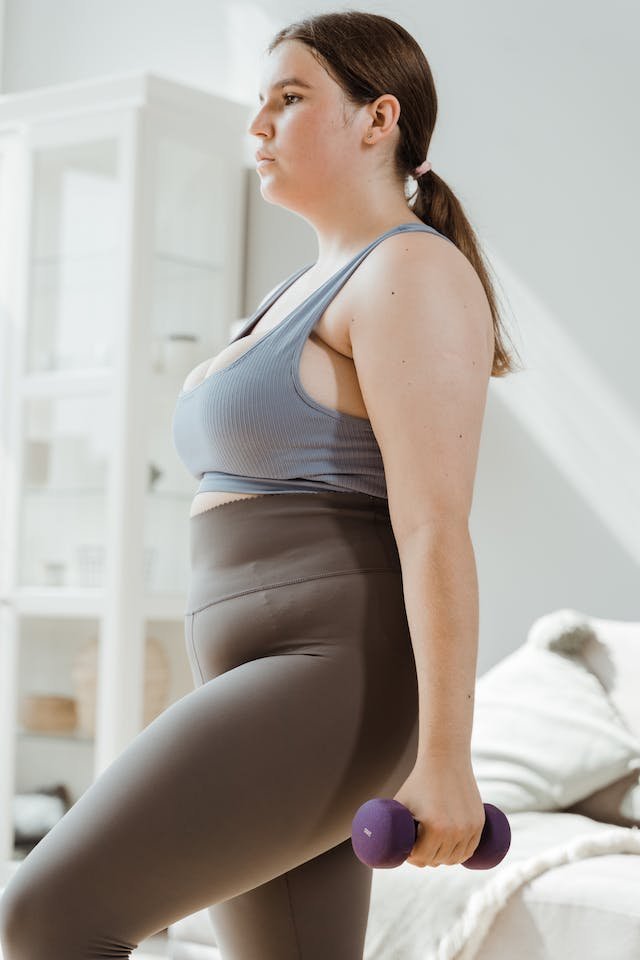
    woman exercising
    Engaging in occasional fitness is a good activity that could bring you joy.

    How do You Embrace Your Body Image

    It takes time to learn how to embrace your body image. Our bodies are changing as we get older. In fact, our body shape will change as our hormones start to shift. But it’s still possible to embrace our body image and love ourselves the way we are, even if that’s not easy. Learning to practice body positivity and acceptance starts from within. Having positive influences in your life could help in achieving this.

    Why Improving Some Things about Yourself is Natural

    However, while accepting yourself and not resorting to radical changes to your personal appearance is important, it’s human nature for many of us to want to make a few improvements on ourselves. What I mean by this is making minor beauty changes here and there. This could be doing something different, but beautiful with our hair or losing weight due to exercising frequently and eating healthier. There’s nothing wrong with making some improvements to your appearance. Just make sure that you’re balanced and not too overly obsessed with changing the way you look.

    Accepting yourself the way you are is an ongoing journey for a lot of women. While it’s not an easy journey, it’s a possible goal that could be achieved. By taking some time to write about some things you like about yourself, turning your negative words into positive ones, not comparing yourself to others, reducing your social media activity to a minimum, and doing fun activities that bring you joy, you could possibly find yourself on that road. Strive to be balanced in how you view your appearance and learn to accept yourself as you uniquely are.

    Do you find it hard sometimes to accept yourself physically as you are? What has helped you to cope with this feeling? Feel free to share your thoughts on this issue or anything else in the comments section below. As always, be sure to like or share this post with the next person you know.

  • The Importance of Being There for Yourself in the New Year

    Just like that, we have embarked on a brand new year. During this time, it’s usually common for people to start setting some goals for themselves. Last year, I wrote a post about how specific your health goals are. Now I’m going to share how we all could do a better job of being there for ourselves. Most of us women usually have a problem with doing this sort of thing. If this describes you, I’m going to share what is being there for yourself exactly means, how you can go about doing this, why it’s important, and share some examples of how you can take action in doing this year.

    What Does it Mean to Be There for Yourself?

    It’s human nature for all of us to be concerned about our loved ones ahead of ourselves. Whether you have young children or a sick, elderly parent, you want to make sure they’re taken care of because they usually can’t do it on their own. But when you’re doing a good job in taking care of them and you feel mentally or physically unhealthy, this isn’t a good thing. This means that you’re not being there for yourself.

    To be there for yourself involves making sure you’re content and happy. It means taking care of your needs and wants first before looking after someone else. How are you going to take care of someone else if you can’t take care of yourself? It’s important to make sure your mental and physical health is accounted for. Otherwise, you’ll struggle to provide for someone else.

    How Can I Be There for Myself?

    Many of us have always wondered the answer to that question. How can I make sure my needs are taken care of before I worry about other’s needs? The short answer to this question is to set aside some time to figure out your needs by writing them down. Once you’ve done this, take the necessary steps to fulfill those needs. Be sure to break these steps down into bite-sized smaller steps so they won’t feel so overwhelming for you.

    person journaling
    Set aside some time to figure out your needs and wants by writing them down.

    It’s also vital to check in with yourself and show yourself some love. Take some time off from work. Do certain things that bring you joy and happiness. When checking in with yourself, ask yourself: “Am I experiencing signs and symptoms of poor mental health?,” “How am I feeling?,” or “Is there something I need to do to rejuvenate my energy level? By analyzing yourself, you’re performing the process of being there for yourself.

    Why is it Important to Give Importance to Yourself?

    Making your loved ones a priority is important. However, it’s also vital to make you a priority. How are you really feeling? Could you be better than how you’re feeling right now? Giving importance to yourself could be a healthy thing, not a selfish one. You’ll start to recognize your limits and certain things you could tolerate. When you don’t give importance to yourself, you’ll fail at being a better person for those around you.

    How Can You Be There for Yourself This Year?

    If you didn’t think you did a good job at being there for yourself in 2023, now’s the time to do so this year. Take some brief time in your day to outline what aspects of your health you need to work on. Is it your mental, physical, or spiritual health? Analyze some specific things you feel needs improvement. Are you always fatigued or low on energy? Is your blood pressure too high? Are you taking your time to read, meditate, and apply the scriptures found in God’s Word? These are just some examples of things we can analyze about ourselves. By asking yourself questions like these and similar ones, you’ll be taking action to be there for yourself this year and beyond.

    What steps are you taking to be there for yourself this year? How are you making sure you’re okay before taking care of others? Feel free to share your thoughts in the comments section below. As always, be sure to like or share this post with the next woman you know who’s striving to show up for herself.

  • 4 Reasons Why it’s Okay to Ask for Help Concerning your Mental Health

    Now more than ever, many people are walking around with a mental illness and don’t realize it. More than one in five U.S. adults live with a mental illness. However, not all of them are getting the quality help that they need. There could be many reasons for this such as problems affording healthcare, lack of trust in mental health therapists, or they just don’t think they have a problem. But these people could be doing themselves a disservice if they don’t. If you’re dealing with a mental health condition and refuse to seek help for it, here are four reasons why it’s okay to ask for help.

    Why Asking for Help is a Strength

    For one thing, asking for help is considered a strength. It doesn’t make you weak or incompetent. Asking for help because you’re not doing okay requires a lot of courage. You’re now putting yourself out there in admitting that you do need a helping hand. You’re showing that life sometimes can become overwhelming and that you need assistance. So do yourself a favor and ask for help. Doing so shows a sign of strength.

    woman sitting by the sea
    If you’re going through a mental health condition, you must know that it’s okay to seek help.

    How Does Asking for Help Reduce Stress

    When deciding to seek help for their current behavioral issues, many people have found that the weight of the world has been lifted off their shoulders. Yes, asking for help concerning your mental problems alleviates the stress that’s been holding you. Dealing with something internally without turning to professional help could cause physical harm to yourself. Trying to deal with our mental health issues on our own can be overwhelming. When we ask for help, we will feel more relaxed and centered.

    Why Asking for Help Does Not Mean Failure

    Another aspect to realize is that asking for help doesn’t equate to failure. It doesn’t you’re doomed for the rest of your life because you’ve reached out for help concerning your mental health condition. This goes back to what I’ve mentioned earlier about some viewing this action as a sign of weakness. In reality, you’ll feel like a winner when you seek the help of a therapist or mental health professional who cares. It also shows that you’re still a human being with feelings and not an emotion-less machine.

    You’re not the Only One Going through This

    Lastly, it’s important to seek help because you must know that you’re not alone. We all are going through some mental health issues. Most of us are walking with a condition and don’t even know it. By seeking help now, we will see that many others are going through the same problems as you. When you start to meet those other people, you could be able to share your experiences and your day-to-day issues with your condition.

    Why is it Important to Seek Help Early for Mental Health

    When deciding to seek help for your mental health condition, it’s particularly important to get it early. What if you have a condition that affects the way you function each day? The more you continue to go on with this problem without seeking professional help, the worse your problem will become. Accepting the support from therapists or psychotherapists not only reduces your stress, strengthens you further, doesn’t make you a failure, or shows that you’re not alone in having a condition. It also shows your vulnerability and realness to others. Ask for help as soon as you can if you’re dealing with a mental health problem.

    If you or someone you know is going through a mental health condition and has been having a hard time seeking help, feel free to share your thoughts in the comments section below. I also happen to have a special free gift that might also help you cope with your problem. Just click here to get yourself a copy of it. As always, be sure to like or share this post with the next person you know dealing with a mental health condition.

  • The Connection between Food and your Mood

    During this time of the year, many people are likely thinking about food and cooking. However, what we eat does affect our behavior and the type of mood we’re in. How often we eat could

    impact our mood as well. What types of foods can cause behavior problems? What foods can make you laugh or cry? Megan Hilbert, MS, RDN, a registered dietitian nutritionist who serves clients in Philadelphia, Penn., answers these questions about how our food affects our mood.

    Hilbert holds a Master’s degree in Nutrition and 5 years of nutrition counseling experience working with clients who have chronic gut health issues and those looking to heal their gut-brain axis. She shared her thoughts with Brandi Walker on how our diet can affect our behavior.

    Impact Your Diet Has on Your Mood

    Brandi Walker: How much of an impact does your diet have on your mood?

    Megan Hilbert: Diet seems to play a larger role when compared to other modifiable behaviors to improve mood. The SMILES trial showed that those who improved their diet the most experienced the greatest benefit to their depression irrespective of changes in exercise or body weight.

    B.W.: How often should you eat during this time of the year?

    M.H.: Eating every 3-4 hours during the day time and fasting for ~12 hours (ex. not eating from 8 pm-8 am) has been shown to have a positive impact on people’s mood. Studies have shown that people who eat during both the night and day have an increased chance of depression and anxiety. Linking up meal timing with our circadian rhythm seems to be an important factor in mood regulation.

    people eating
    The foods we eat have a big impact on our mood.

    What Foods Boost Happiness

    B.W.: Some experts believe maintaining a diet of natural, plant-based food will help improve your mood. Do you believe this is the best form of dieting for your mental well-being?

    M.H.: The current research we have on this topic states that yes, eating a diet composed mostly of whole plant foods is one of the best dietary interventions to improve mental well-being. One of the most comprehensive studies on this topic, the SMILES trial, showed that a modified Mediterranean diet filled with fruits, vegetables, whole grains, legumes, nuts, extra virgin olive oil, and fish helped reduce symptoms of moderate to severe major depressive disorder.

    B.W.: What are the best types in each food group, i.e. protein, fruit, vegetables, etc. do you recommend for a better mood during this time of the year?

    • M.H.: Fatty fish with plenty of omega-3s (salmon, mackerel, sardines, etc.), poultry like chicken and turkey, and eggs are best to be enjoyed a few times a week. At least half of protein should come from plant-based sources like tempeh, tofu, legumes/beans, lentils, etc.
    • Choosing more leafy greens (spinach, chard, kale, arugula, lettuce) that are high in folate and magnesium can help reduce anxiety.
    • Eating higher portions of non-starchy vegetables like eggplant, bell peppers, cucumbers, leafy greens, broccoli, summer squash, onions, etc. over starchy vegetables like sweet potatoes, corn, peas, etc. can help balance blood sugar and keep energy levels stable.
    • Berries in particular contain lots of anthocyanins which have been shown to reduce the risk of depressive symptoms since they can impact the brain by crossing the blood-brain barrier.
    • Whole grains like oats, millet, rye, wheat, and farro contain lots of fiber which can be a great source of prebiotics that feed our healthy microbiota. This can improve mood through the gut-brain axis. Whole grains, especially oats, contain a good amount of iron which can help reduce symptoms of sluggishness and mood disorders.
    • Nuts and seeds provide tryptophan which is responsible for producing serotonin. One 10-year study showed that moderate nut intake lowered the risk of depression by 23% (https://pubmed.ncbi.nlm.nih.gov/29516224/)

    B.W.: What types of foods do you recommend that make you laugh?

    M.H.: There isn’t any research that shows specific foods contribute to more laughing.

    What Foods Affect Your Mood Negatively

    B.W.: What healthy recipes do you recommend to prevent seasonal affective disorder (SAD)?

    M.H.: I love quinoa bowls with a variety of veggies and either legumes/beans or fish, unsweetened Greek yogurt with low sugar granola and berries, tomato basil pasta with whole grain pasta, and lentil stew with kale and butternut squash. This website has a great list of recipes: https://www.eatingwell.com/gallery/7527550/you-just-started-the-mediterranean-diet-here-are-the-recipes-to-make-first/.

    What Foods Make You Less Angry

    B.W.: What types of foods could reduce your problems with anger and sadness?

    M.H.: The dietary recommendations that help combat anxiety and depression can also help combat mood swings and relieve anger. There is more research needed in this area, but according to the current literature eating a mostly plant-based, Mediterranean-style diet is the best bet to combat anger and sadness.

    What we put in our mouths has a serious impact on our mental well-being. If we want to elevate our mood during this winter season, we must implement plant-based foods, fruits, vegetables, whole grains, fish, and nuts into our diet. Eating these different foods will help you to not only have a diverse diet but fully benefit your emotional and physical health.

    For more information on Hilbert and her services in improving your nutrition or Top Nutrition Coaching services, check out her profile at https://www.topnutritioncoaching.com/nutritionists-near-me/states-pa-philadelphia#megan-hilbert. Feel free to share your thoughts, questions, or concerns about the connection between food and your mood in the comments section below. Also, be sure to like or share this post with the next health-conscious person you know.

  • What Does Untreated ADHD look like in Adults?

    This month of October marks Attention Deficit Hyperactivity Disorder (ADHD) Awareness Month. This is a condition that has impacted millions of people, including me and my family. However, there are still many adults walking around with undiagnosed ADHD. Untreated ADHD in adults has become so common and has made a serious impact on their lives. Let’s learn about what happens if ADHD is left untreated in adults, its signs and symptoms, and what can being undiagnosed lead to.

    Why is ADHD not Taken Seriously?

    Many people don’t seem to take ADHD as seriously as other mental disorders. There are plenty of preconceived notions about ADHD not being a real medical condition. According to one study in SSM Qual Res Health, some felt the stigma around ADHD is more serious than the actual symptoms. For example, when a person says that they have ADHD, most people will say that they’re just making it as an excuse for being lazy. Because of the stigma people face when they disclose their condition, they decide to hide their diagnosis.

    I, myself, have been one of those people who sometimes don’t take it as seriously as other mental disorders. But since being diagnosed with it myself and having other family members with it, some undiagnosed and one diagnosed, I have seen that it is a real condition especially if left untreated. There are so many untreated ADHD in adults, leading them to be diagnosed with other mental illnesses. If we continue to sweep the condition under the rug as being nothing, this may prove to be a future problem for us.

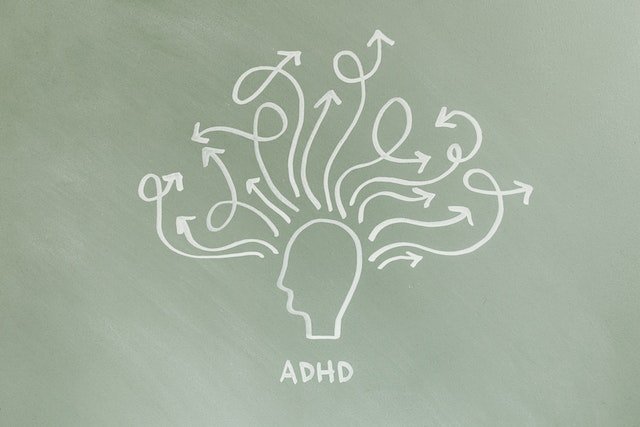
    ADHD drawing
    There are many adults walking around with untreated ADHD and not doing anything about it.

    Signs and Symptoms of Untreated ADHD in Adults

    There are several signs and symptoms of untreated ADHD in adults that we must pay attention to. These all could vary between people. For example, this person might have stronger problems interrupting people when they’re talking, while the next person might have more serious problems concentrating on tasks at work. Some people like to pass these symptoms off as the person being immature, rude, or incompetent. That’s why people exhibiting the signs of ADHD are usually misdiagnosed as being depressed or having anxiety. Some other signs and symptoms of untreated ADHD in adults include:

    • Having a quick temper.
    • Mood swings.
    • Miss deadlines.
    • Poor time management.
    • Impulsiveness.
    • Restlessness.
    • Difficulty multitasking.

    What are the risks of Untreated ADHD?

    If left untreated, ADHD can have a serious impact on a person’s life and their relationships. There are plenty of serious risks to think about. If you think you have untreated ADHD, consider these common risks that can have an impact on your life:

    • Difficulty in relationships- One research study shows that most spouses of people with ADHD feel more neglected than spouses of people without ADHD. People with spouses who have this condition also experience other serious problems within their marriage.
    • Job instability- Having untreated ADHD has led many to struggle to keep jobs. One 2016 study from J Abnormal Child Psychology suggests that people with untreated ADHD usually have trouble focusing on their tasks at work, leading them to get fired or laid off.
    • Drug & alcohol misuse- Another risk of untreated ADHD involves our usage of drugs and alcohol. People with this condition are more than likely to misuse psychoactive substances and alcohol.

    What can Undiagnosed ADHD lead to?

    When you’re possibly exhibiting signs of ADHD and you’re undiagnosed with it, this could lead to many problems for you. Its symptoms have caused people to experience behavioral, vocational, academic, and social problems. People have had their educational careers become stalled, their career growth stifled, and their time management suffered. Being undiagnosed with ADHD, especially when it’s severe, could cause a person’s life to not function well.

    Untreated ADHD in adults has become a common issue these days. Many don’t become diagnosed because they either don’t take the condition seriously enough or just don’t want to go to the doctor. But if you’re one of many dealing with untreated ADHD, now is the time to possibly see about it, especially if it’s causing you not to function. Talk to your doctor about a treatment plan based on your symptoms and what’s right for you.

    Are you dealing with untreated ADHD? If so, how has it been affecting your life? Feel free to express your thoughts in the comments section below. As always, be sure to like or share this post with the next person you know dealing with this issue.

  • 4 Less-Common Healthy Habits for your Mental Health to Keep it from Deteriorating Early

    World Mental Health Day was this past Tuesday. Although we don’t need a day to be reminded of the importance of our mental health, it’s still beneficial to take some to prioritize our well-being. Cultivating healthy habits for mental health helps us to feel better and keep any illnesses from happening early. Deteriorating mental health signs are becoming more common than ever these days. While most of us are familiar with eating healthy and exercising, let’s share in this blog post 4 less-common healthy habits we can practice to maintain the stability of our mental health.

    Why are Positive Habits Important for Mental Health?

    What you do daily has a huge effect on your mental health. If you continue to develop negative habits, you’re going to damage the functioning of your brain. You’ll also continue to weaken your emotional health by becoming depressed or anxious. For example, if you continue to practice negative habits such as overeating or drinking too much alcohol, this could not only affect your physical appearance but cause you to develop memory loss or other cognitive failures. Practicing positive habits every day boosts our self-esteem, improves our performance at work or school, and helps us to live with peace of mind.

    What Habit Increases Brain Power?

    Some of those positive habits involve us taking action on our overall health. The way we take care of our bodies affects the functioning of our brains. That’s why exercising regularly is such an important habit we must develop to increase brain power. This habit has alleviated symptoms of mental health illnesses such as depression and anxiety. Exercising has also aided in a person’s recovery from mental health issues.

    What we put in our bodies also has an effect on our brain power. Junk food like candy, donuts, caffeinated drinks, etc. isn’t exactly going to do our bodies or our brains good. Neither will process food. So we must start implementing brain-boosting foods such as leafy greens, fruits, lentils, nuts, seeds, and other vegetables into our diet. These foods are high in omega-3 fatty acids which help improve our brain functioning.

    Getting enough sleep is another important facet of our brain’s functioning. Without our required 8-hours of rest, our brain power will start to decrease. When you sleep, your body repairs any damage done during the day. You also wake up feeling more refreshed and your mind is a lot more clear after getting adequate amounts of rest. After getting 8 hours of sleep, you lower your risk of becoming depressed or anxious.

    4 Other Healthy Habits You Must Practice for Mental Health

    While most of us are familiar with those common healthy habits for practicing good mental health, not too many are familiar with the following four less common habits. Two of them are habits we know we should do but it could be hard for some of us to do them more often. Healthy habits for mental health involve more than exercising and eating healthy. We must also make sure we’re implementing the following habits into our lives:

    1. Limit our Multi-tasking

    One of the most popular soft skills most employers look for in an employee is being a good multi-tasker. However, if you want to preserve your mental health, you should limit this habit. Multi-tasking could leave your mind overwhelmed and reduce your work performance. You’ll also become a less efficient employee. You should try practicing a less-overwhelming positive mental health habit.

    2. Go outside and Enjoy Nature

    Sometimes, you have to go outside to get some fresh air. Participating in this activity is always good for your mental health and well-being. Going outside and embracing beautiful nature helps you to increase your attention, puts you in a better mood, and lowers your risk of being diagnosed with mental health illnesses. If you work your job from home, consider taking the time to spend at least 30 minutes a day refreshing your mind and being outside with nature.

    nature scene
    Enjoying nature is one of the best healthy habits for your mental health.

    3. Practice Gratitude

    Showing gratitude to the people you care about is another healthy habit to practice for mental health. When you’re feeling down, why not do something to make others smile? Buy a next-door neighbor groceries or give a nice elderly one you know a ride to their home. You’ll feel better after doing this.

    You could also set aside some time to write down some things you’re grateful for in your life. There may be a lot of unfortunate things that have happened to you. But what about the positive things? Write down a few positive things going on in your life each day. This will benefit your mental health and well-being immensely and you’ll develop a positive outlook in your life.

    4. Limit your Social Media Time

    As interesting and convenient as social media has been, it does have its drawbacks. Spending too much time on it could be detrimental to your mental health. Many young people have dealt with cyberbullying due to incessant time on Instagram or Tick Tock. Take some time to spend time with your loved ones instead. Limiting your social media time will prevent this habit from becoming an addiction.

    Keep your Mental Health from Deteriorating with Healthy Habits

    There have been plenty of people experiencing deteriorating mental health signs early on in their lives. Frontotemporal dementia, FTD, has been causing thousands of people to develop these unfortunate health signs early. Developing these less-common healthy habits along with eating healthy, exercising, and getting adequate sleep at night could help keep this condition at bay. Keep your mental health from deteriorating too soon by getting involved with more healthy habits.

    What are your favorite healthy habits for better mental health? Do you practice gratitude often or go outside and enjoy the wonders of nature? Feel free to leave your thoughts on your favorite healthy habits in the comments section below. Another good habit for restoring your mental health is journaling. Check out my free printable Daily Self-Care Journal I’ve created in Canva to keep your well-being healthy. As usual, be sure to like or share this post with the next person you know who needs mental health care.

  • 4 Pet Animals that Help with Depression and Anxiety

    Many of us have pet animals that we adore that make our days feel a little better. Some people are dog lovers, some may prefer birds. Did you know that these animals do help with depression and anxiety? They help lower stress levels and develop a sense of calm in you. Here are some of the most common pet animals that could help with depression and anxiety.

    How Dogs Can Help with Depression and Anxiety

    One of the most common popular pets amongst many Americans, dogs are great for people who are going through depression and anxiety. They help elevate levels of dopamine and serotonin, which can help calm and relax your nerves. Because you have to do so much with man’s best friend, such as walking them, they also encourage exercise. Dogs are scientifically proven to lower stress levels in us and boost our self-esteem.

    Rabbits Can Develop Calmness Among Mental Health Patients

    This hippity-hoppity likable animal can help develop calmness among people suffering from mental health illnesses. They were even among the animals that were brought into mental health wards, along with rats and guinea pigs. Rabbits are extremely sociable and can adapt well to human companionship. They are lower maintenance than dogs and great for people who are inexperienced in taking care of pets. However, you can train them to do tricks much like dogs.

    Birds are Both Sociable and Intelligent

    Extremely intelligent and sociable, birds are one of the best pets for those who are depressed. Some of them have been specifically bred to become human companions. You could have a conversation and bond with them. A parrot is a great choice for a pet you can do all those things with. If you want a feathery friend who could provide plenty of mental health benefits, look no further than getting yourself a pet bird.

    Why Cats Make Great Companions

    One of my favorite pets that I’ve grown up on and it does make a cute, friendly friend that could help with depression and anxiety. Cats are more independent than dogs, but they are there for you when you need them. These felines are great for helping with loneliness, depression, and anxiety. If you want a pet that doesn’t require the same amount of attention and work as a dog, then a cat could be a good option.

    cat looking up
    Cats are friendly felines that could help with depression and anxiety.

    If you’re going through depression or anxiety, having a pet animal, whether it is a dog, cat, rabbit, or bird, could ease your symptoms because of their carefree nature. They could support a healthier lifestyle that includes more exercise. If you like animals, consider getting one of these furry and feathery friends to ease your mood and give you unconditional love.

    What animal do you think helps with depression and anxiety? What’s your favorite animal that helps ease your mood? Feel free to share in the comments below. As always, be sure to like or share this post with the next animal lover you know.

close

Get my Two Watercolor Eucalyptus Thank you Cards sent to your inbox!

Verified by MonsterInsights