Losing a job, especially one that you thought you were thriving in, is usually disappointing. Each year, many people are getting laid off from jobs they’ve had for several years. Sometimes, it’s not because their performance has been slipping. It’s usually due to various reasons such as companies being in personnel transition or downsizing.
If this job was one of the most important aspects of your life, in that it paid the bills, helped you to grow as a person, or developed your skills, it could be a devastating blow to suddenly lose it. Research shows that getting laid off could sometimes leave a significant mental impact. Let’s learn how you could emotionally cope with this sudden economic hardship.
Let Family and Friends Know about your Layoff
It’s not worth it to hide your situation from your friends and family. They could be a source of comfort in helping you transition and mentally cope with your job loss. Be sure to let them know that you’ve been laid off and searching for a new job. They are great people to lean on when times like these get rough. Most of them could give you job leads that could lead you to your next role.
Develop your Skills
Another great way to cope with the loss of a job is to take this time to update your skills. Perhaps enroll in some free or inexpensive computer classes to level them up. Be sure to look up some information about other specialized classes you can enroll in for more training. You can also refer to YouTube to learn various employable skills as well.
Use this time off to develop your skills.
Find Ways to Supplement your Income
When a layoff happens, many people turn to other ways to earn money such as side gigs. Some people refer to these gigs as “odd jobs,” but they come in handy when you need to make ends meet. Most people can’t live on unemployment alone. Some examples of side gigs are Uber driving, freelancing, working a temporary job from an agency, and online tutoring.
Keep a Positive Attitude
Losing a job could do something to your self-esteem. It could make you resort to breaking down mentally and emotionally. It’s an economic hardship that may seem on paper hard to recover from. But it is possible to do so if you continue to remain positive about your future chances. Sharing some positive affirmations to yourself like, “I believe I can do anything.” Posting some inspiring quotes on your wall could be helpful.
Start your Job Search Today
Applying for a job is like trying to catch a fish in the water. To have any success, you got to put your bait or resume, out there. To also be successful, you have to be persistent. The only way to recover from an economic hardship like a layoff is to just start applying. The more you put yourself out there, the more likely you’re going to earn results. I wish you all the best job seekers.
Are you still mentally or emotionally recovering from an unfortunate layoff? Share your story in the comments section below. As always, be sure to like or share this post with the next struggling job seeker you know.
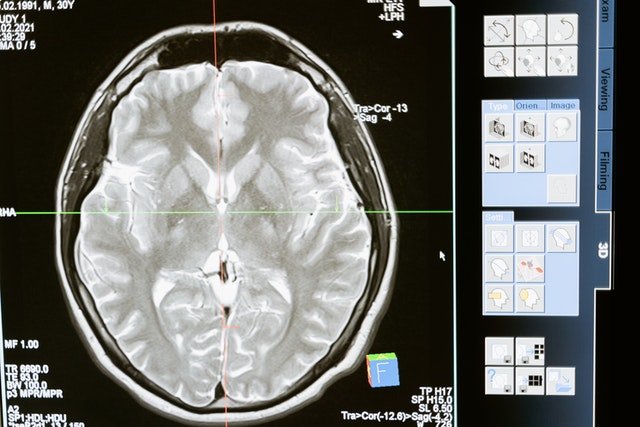
Attention Deficit Hyperactivity Disorder (ADHD) and Dementia are both considered to be very different mental disorders that are impacting millions of people’s lives. One inhibits a person’s ability to focus better on their day-to-day responsibilities, the other causes a person’s brain to degenerate and pretty soon they could no longer function.
But do you know that there could be a strong link between the two mental conditions? Research has come out in recent years suggesting that adults with ADHD symptoms are more than three times as likely as other adults to develop dementia later in life. In addition to this, another study shows that parents and grandparents of people with ADHDhave a higher risk of dementia and Alzheimer’s. What does this recent information mean for you? Let’s examine this research further.
Could there be a link between ADHD and dementia?
Why is there a Link Between the Conditions?
It all started with a research study from Argentina. Researchers evaluated 360 patients with dementia. 251 of those patients had Alzheimer’s disease. What was found in the study was that 15.2% of those with Alzheimer’s had previous ADHD symptoms, while 47.8% of those with Lewy body Dementia previously had ADHD symptoms.
According to the study, the reason that dementia and ADHD are somehow linked is that the same neurotransmitter pathway problems develop in both conditions. This research study tested the theory that adult ADHD could precede Lewy body Dementia.
Are those with ADHD at risk of being diagnosed with Dementia?
While this study hasn’t proven that ADHD symptoms cause dementia, it is a fascinating study that helps researchers identify early symptoms allowing them to predict who’s at risk of the condition. L. Eugene Arnold, MD, professor emeritus of psychiatry at Ohio State University’s Nisonger Center and longtime ADHD researcher, feels that the link found in this study is worth exploring because the neurotransmitter problems involved in ADHD may also be involved in dementia.
However, this Argentina study is one of the few studies that have shown a possible link between ADHD and dementia. Some of these small studies have come with conflicting results. Many researchers feel that more research is needed to determine whether ADHD is indeed linked to dementia.
What could adults with ADHD do to lower their Risk?
While researchers continue to work on these findings, there are some things that adults with ADHD can do to lower their dementia risk later in life. Some of these things include maintaining a healthy diet, getting plenty of exercise, and a good night’s sleep. Of course, we know these things. But it bears repeating because performing these actions regularly lowers your dementia risk. You could lower your risk by taking up hobbies that challenge your mind such as learning a new language or creating puzzles.
In the end, all we could do is our best in lowering our risk of being diagnosed with a mental illness. Share your thoughts on these research studies in the comments section below. As usual, feel free to like or share this post with someone you love dearly.
We all have hobbies to exercise our minds, entertain us, or give ourselves something productive to do. Whether it is reading, painting, or jewelry collecting, we all need hobbies to benefit ourselves socially, physically, and mentally. But if you need to relax your nerves, what good hobbies could you take up for this? Let’s check out some interesting hobbies that could calm our nerves.
Doing Puzzles
There are all sorts of brain teaser games you can play online or offline. These games keep your mind ticking and calm your nerves, too. From good old-fashioned crossword puzzle books to popular word game apps like Words with Friends, you will have yourself a nice time with these games. These games are good for sharpening your problem-solving skills and improving your memory.
Working a puzzle is a good example of a nerve-calming hobby.
Creating Artwork
Creating works of art, whether it is by drawing, painting, sculpting, or coloring, is another great hobby that could help you relax. It is a great creative pursuit that stimulates the mind and is a lot of fun. I remember having a Zoom art party with my friends last year. We sketch a picture of a tropical bird in a tree on our canvases and used acrylic paint to paint it. Did we do a perfect job recreating the lovely picture? Probably not. But we all did a decent job in drawing and painting the picture. Most importantly, we all had fun, too.
Knitting
Knitting is another popular hobby amongst women, especially during the wintertime. It is a great example of a calming hobby. Like being an artist, you are creating something special with your hands. The repetitive motion of this hobby can help you clear your mind and be a good source of nervous energy.
Dancing
Who doesn’t love to move or sway to beautiful music now and then? That’s why you have to include dancing as a hobby on this list. It takes your mind off the daily stresses of your life. It makes you feel good, relieved, and puts your mind at ease. Dancing is also great exercise and you will sleep well after cutting a rug all night long.
Hobbies challenge our minds, entertain us, and engage us. But they could also calm our nerves. If you’re searching for a hobby, why not try one of these in your spare time? You’ll benefit yourself mentally and physically.
What’s your favorite hobby that calms your nerves and puts your mind at ease? Feel free to chat about it in the comments section below. Also, be sure to like or share this post with the next hobbyist you know.
There are several types of abusive relationships that have impacted a person’s emotional and mental health. One of these types of relationships we don’t examine too often is narcissistic abuse. This form of emotional abuse happens when the abuser only cares about him or herself. This person may use words or actions to manipulate their partner’s behavior or emotional actions.
A person could potentially endure lifelong mental health damage from being in this type of relationship. Narcissistic abuse doesn’t only occur in couple relationships. It could also occur amongst family relationships. There are many suffering from this type of abuse from their own siblings and parents. What are the signs of sibling narcissism? Can you forgive a family member who inflicted narcissistic abuse on you? Why is a sibling the target of abuse?
Herschenia A. Brown, Founder & CEO of Mind over Matters, a Division of HSAB Group, LLC and Best-selling & Award-Winning Author, who goes by the pen name Aria Craig, answers these questions and chatted with me this week about how narcissistic abuse impacts your mental health and life and how she is helping people reclaim their mental state after suffering from this abuse.
Herschenia Brown talks about narcissistic abuse and how it impacts your mental health and life
How much does narcissistic abuse impact women? Which age group is impacted the most?
While I am not a psychiatrist or a psychologist and have not done this type of research to determine any statistics on the age group for the types of narcissism, I have talked to various women about their experiences with narcissistic abuse. It seems like it impacts them more than it does men. I do know one man in particular who is experiencing it, but he doesn’t know that he is. But, in terms of the feedback that I have received, it’s mostly been women who have been in romantic relationships and trying to figure out why they keep attracting these types of men.
What are the early signs of this form of abuse?
The early signs from what I have seen are more so with people who are in a relationship and they see odd behavior. It’s like they can’t explain what’s going on with the other person and they just know that it is not typical behavior. For instance, someone who is an enigma or you really can’t figure them out. Or someone who is a pathological liar. I just want to say from what I’ve done in my research, narcissism isn’t just one behavior. It’s a myriad of characteristics and behavior patterns. So for example, someone who is a pathological liar isn’t always considered a narcissist. But if this behavior is coupled with other behavioral practices of narcissism, then you could pretty much suspect that person is a narcissist. A professional would have to diagnose the person, but you would become aware of it. Gaslighting is an obvious sign of narcissism. This person makes you feel like you didn’t believe what you just saw or heard. So you’re thinking you’re going crazy. It’s like you’re going through these verbal gymnastics or psychological gymnastics. So you’re trying to understand what just happened. Or trying to get a clear-cut answer to a question. And then they turn it back on you and make it seem like you’re the one who’s the problem. Or the way that you’re processing or interpreting the situation is on you. And now you’re blaming yourself trying to figure out what did and they just took the responsibility and accountability off themselves. They are also master manipulators. It’s almost like they’re similar to con artists. They are skilled at manipulating people and situations. They’re also irresponsible with money. Pretty much, everything has to be about them. The attention has to be on them, because they’re so insecure about themselves. Getting attention from other people is like validation for them. It’s like they put on this false representation of how they really are because they want others to believe a fraudulent perception of them.
Why do you think a sibling in a family is a target of narcissistic abuse?
Well, I can say from my own experience with narcissistic abuse that I did some reflection and ironically I used to compare my ex-husband to my sibling. Their behavior and character were so very similar. So when it comes to understanding growing up in a household with a sibling, I’m not sure if she knows that she is, but I definitely have determined over the years that she is. I didn’t know what it was back then. All I know is that there was some odd behavior with her. I couldn’t put it into a category or give it a definition until learning more about what narcissistic personality disorder after dealing with the same behavior from my ex-husband.
As for the sibling being a narcissist, I only know a few people who I had befriended who have siblings who are narcissists. The desire is to detract the attention from any other sibling. For me, it came about from favoritism in my household. That was what some people may call a “generational curse” that we had in my family. We had a lot of great moments in my family. But, when certain problems in the family are causing generational trauma, then conversations need to be had to put an end to the “curse”.
In my household, my sibling was getting all the attention and favor from my mother. When you’re in a position where you getting the benefit of that, you’re not going to have anything to say. You’re not going to get your other siblings on board and say, “Listen, mom you’re not givings her any attention.” This is because you’re getting all the benefits. That was a huge issue that carried me all the way into adulthood, because I felt I didn’t get the type of attention and affection that I felt I deserve from my mother. She really put my sister on a pedestal and other people saw it. This wasn’t just a thing that I was noticing.
With my sibling, there was no accountability. There was a lot of brushing under the rug and trying to excuse the behavior. As she got older, she became used to our mother covering for her. She’d become used to being disrespectful and getting away with it – not being accountable.
From your observations, have you seen narcissistic abuse impact other adults just like it has impacted you?
Yes, the few people that I know that have siblings that are narcissists barely talk to them. However, some people I’ve met have tried to meet their siblings from where they are. They do check on their siblings to see how they are doing and stay a little more involved with them. They know if they get too involved, it will be too much of a problem or a negative influence for them. I don’t suggest to anybody to completely sever your relationship with your sibling unless you feel it’s in your best interest. You go however far in your relationship with them that sits well with your soul. If that involves meeting them where they are, calling on them and checking to see how they’re doing. If you just take it as a grain of salt whenever you’re interacting with them then that’s up to you.
In my situation, it was way deeper. It was a good idea for me to let go to sustain my peace of mind. But for some people, they will do whatever sits well with them in order to sustain theirs.
You have a new novel coming out entitled My Sister’s Keepers in the Fall of this year. What impact do you hope it will have on those who have experienced this issue? Is it loosely based on your life?
I’m glad you asked that. I’m trying to release it in the fall. It’s looking like it might be in the winter because I’m still working on the last touches of the manuscript to send to the editor. It is a fiction novel, but it is inspired by true events. There’s not a character in the novel that is mentioned. Every character is based off of a couple of different people, whether they are real people or characters I’ve seen on TV that I have admired on a show. The novel is fiction but some of the situations are based on true events that I massaged for fictional purposes. It was important for me to put the emotion behind it, because I need people to identify with what the characters are feeling in each situation.
What I want people to learn from the book is actually in the ending – it is basically the lessons learned. It’s important that readers learn how to identify narcissism. Learn if you are in a relationship with a narcissist and why you’re even entertaining this person to begin with. Having some sort of reflection to understand yourself; well, actually assessing yourself as to why you attracted this type of person, whatever type of relationship it is – whether it is a friendship, a romantic relationship, whatever the case may be. For me, I had to look deep inside and realize I had empathy. I continued to massage a relationship with someone who I knew wasn’t operating in my best interest or even in his own. And like I said, learning about the other relationships that I had growing up, I made the connection and thought, “Oh, now I get it!” It took me all these years to understand it. I had to figure out what I needed to do moving forward so that I did not entertain another person with this type of behavior ever again. My book also helps with how to heal from narcissistic abuse.
Where can people access or purchase this book?
The manuscript has to go through several rounds of editing. Then I’ll determine whether I’m going to self-publish (like I did my other books) or pitch it to traditional publishers since this is my first fiction book. It took me a couple of years to understand how to break it down, because it is different. It’s not a self-help book. It’s not a children’s book. Those are the two types of books I have written before. With fictional books, you have to understand plotting. So, once I complete the editing process, then I’ll know what direction to go. I will keep everybody in the know on social media and anybody who signs up for my newsletter.
I do want to mention something that you mentioned earlier about forgiveness. This is also in my book- forgiveness doesn’t always mean reconciling. You can forgive someone. You have to forgive to really free yourself from the pain, not really them. We have grown up to think that forgiveness means you’re excusing that person’s behavior. That’s not true! You are basically relieving yourself from the hurt and the pain, so that it no longer controls you. You can be free of it and move forward. You don’t have to necessarily reconcile with somebody if you know it’s not in your best interest to do so. Or if you do continue to remain in the relationship, on what level do you choose to maintain it? You have to think about how it sits well with you.
For more information about Brown and her other books, which she writes under the pen name Aria Craig, visit her website at https://habrownadr.com/Aria.
Just recently, I learned about a new mental disorder I’ve never heard of. This one is called aphasia. You might’ve heard about this disease because the actor Bruce Willis announced having to retire because he was diagnosed with it. However, there’s more to learn about this condition. Aphasia is a language disorder that makes it hard to use words. It results from damage or injury to language parts of the brain.
Upon learning about this disease, it sort of reminded me of the neurological condition my aunt has. But it does have its differences. Here are a few things to learn about aphasia.
Aphasia is a language disorder that affects people’s ability to speak clearly.
What Causes Aphasia?
This condition is usually caused by a stroke or a brain injury with damage to one or more parts of the brain. Research shows thatabout 25% to 40% of people who survive a stroke become diagnosed with aphasia. Some other conditions that cause aphasia include brain tumors, infection, and even dementia.
Symptoms of Aphasia
Some of the symptoms of aphasia include struggling to form words when trying to speak, usage of strange or wrong words in conversation, trouble understanding what people are saying, and speaking in short sentences or phrases. Aphasia can be mild or severe. When it is mild, a person can converse, but still struggle with finding the right words to say. When it is severe, the person can’t speak at all and is unable to participate in any conversation. My aunt, who has frontotemporal dementia, is exhibiting these similar symptoms as aphasia disorder.
Types of Aphasia
Another thing to note is that there are two types of aphasia to know about. These are nonfluent and fluent aphasia. With nonfluent aphasia, patients tend to develop a lot of effort in stringing a complete sentence together. Their speech also isn’t grammatically correct. Fluent aphasia allows you to produce speech with connected sentences. However, the sentences may lack proper meaning. Here are some types of nonfluent and fluent aphasia:
Nonfluent aphasia Fluent aphasia
Broca’s aphasia Anomic aphasia
Global aphasia Conduction aphasia
Transcortical motor aphasia Transcortical sensory aphasia
Ways to Treat the Condition
A doctor may prescribe certain treatments to patients depending on the state of the brain damage. They also may factor in the patient’s age, cause of the injury, and type of aphasia. If a person’s brain damage is mild, they typically could recover language skills without treatment. However, if the damage becomes severe, other treatments might be more effective. Certain drugs are currently being studied for the treatment of aphasia. However, some medications such as memantine (Namenda) and piracetam have shown potential in previous studies.
Other forms of treatment include speech and language rehabilitation and possibly brain stimulation. The latter is currently being studied and may improve the ability of the patient to name things.
There are quite a bit of mental disorders out there. If we have a loved one dealing with any of them, we must keep ourselves informed and educated. For more information about aphasia disorder, visit www.webmd.com. If you have any questions or comments about this condition or any other related mental disorder, feel free to share them in the section below. As always, like or share this post with the next person you care about.
Last week, I went to a neurologist and discovered what I already knew- that I have ADHD. This is of course also known as Attention Deficit Hyperactivity Disorder. While the overall prevalence of adult ADHD is 4.4%, only 3.2% of adult women aged 18-44 are diagnosed with the condition compared to men with 5.4%.
There are a lot of activities that require an extensive amount of attention. One of those common activities includes driving. ADHD drivers are normally easily distracted drivers and are four times more likely to get into an accident. However, there are ways you can drive safely despite having this condition and here are some useful tips for doing so.
Limit Your Distractions
Many drivers with Adult ADHD have found difficulty keeping their minds focused on the road. Myriads of distractions within the car such as the radio, cell phones, and engaging in a deep conversation with their passenger could make it hard for them to do so. People with this condition also don’t do well with having a car full of people. They tend to react impulsively to situations resulting in critical errors and potential accidents.
To lower their risk of this happening, they must reduce their distractions. Don’t use your phone while driving. Lower the volume of your radio. Don’t engage in any “dashboard dining” or eating while you’re behind the wheel. Let passengers know what helps you to remain focused while driving. Don’t be afraid to tactfully let them know you might have to keep conversations to a minimum. All of these things could help you limit your distractions.
If you’re dealing with ADHD, limit your distractions while driving
Plan your Route Before Hitting the Road
Another important aspect is planning your route before you get going. This is important because when you’re dealing with ADHD, you don’t want to find yourself lost. That’s why there are all sorts of GPS phone apps that could help you plan your route. The most popular one I use and that is used by many is Google Maps. There are other free apps such as Waze, Apple Maps, and MapQuest, just to name a few. Apps that speak the directions to drivers have been known to be very helpful.
Take ADHD Medication if Necessary
Certain ADHD medications are effective in helping people be more attentive in their driving. Research shows that stimulants, in particular, may help improve driving safety. If you feel that you struggle with remaining focused in your driving, be sure to take any medication that your doctor has prescribed to you. You must become diligent in taking it on a schedule that he recommends to you. Make sure you have adequate levels of medication during those critical times when you have to get behind the wheel such as when going to work or leaving work.
Practice Safe Driving
Another good tip to avoid accidents is to just simply practice driving safely. Get in your car one day and start practicing being more attentive at driving. Try practicing in an area you’re familiar with like your neighborhood. Once you get the hang of driving carefully in your neighborhood, you can eventually move on to other neighborhoods close by you. It’s all a matter of gaining confidence and making mental notes of common street signs in your area. Be sure to wear your seatbelt as you drive.
ADHD is one of the most common disorders affecting young children and can continue to adulthood as it did for me. However, there are ways you can still manage it while doing important daily activities such as driving. By following these tips, you can avoid being at risk of serious vehicle accidents.
Are you or someone you know has been diagnosed with ADHD? How do you handle driving while dealing with this condition? Feel free to share your thoughts on this issue in the comments section below. Also, be sure to like or share this post with someone you know dealing with ADHD.
As things start to improve and more people are getting vaccinated, many companies are opening up the doors for their staff to return to the office. However, because most people have become used to working remotely, this has made it hard for them to go back to in-person work. If you’ve been having feelings of anxiety, stress, or nervousness about working amongst your peers, here are 5 tips for mentally coping with this problem.
Look at this Return in a Positive Light
Strive to see this return to a brick-and-mortar building as a good thing. Identify some new changes that could make it a good thing. These changes could be working with new people. Or there could be some new safety standards the company has set in place. Whatever these changes are, look at them as a positive fresh start for your in-office return.
Establish a Transition Plan
The second tip is to have a plan when starting your work transition. Consider discussing some things with your boss about taking baby steps with working in-person. Share with him or her about starting off working once or twice a day in the office. This slow transition could help you get used to working with people again. Once you have felt comfortable with working once or twice a week, you could then work your way to working a full week in the office- if you please.
Converse with your Team
Another way to mentally cope with working in person is by keeping the lines of communication open with your team. Let them know exactly how you’re feeling with this transition. Are you comfortable with it? Do you need some more time to get used to working in the office? Whether you feel ready or not with working in person, it’s worth also asking your boss and team about what is expected of you. These conversations give you a lot of information to work with when thinking about your return.
Keep the lines of communication open with your colleagues when working in the office again.
Maintain the Conveniences You’ll Miss Working from Home
There are a lot of things you’re going to miss about working from home. Being able to do your laundry, run errands during the day, or cook more often. However, there is a way you can still enjoy those conveniences while being back in the office.
Depending on your schedule, consider running your errands in the evening or early in the morning before work. Maybe you could squeeze out sometime during lunch to run them. Hire a laundry service to wash your clothes if you can afford it. If not, consider hand washing some of your clothes or using your apartment building’s washer and dryer. As for your meals, do your prepping for that every Sunday and you should be good to go. Follow these tips to maintain some of the conveniences you’ve experienced while working from home.
Think Positive Thoughts When you Start to Feel Negative
When you eventually go back to working in the office, it’s natural to start thinking negatively. You may start thinking about all of the things that could go wrong, like having a disagreement with a co-worker or showing up wearing flip-flops. When you start to feel that way, try to turn things around in your mind by doing something positive. Get on the phone with a friend or start organizing some things in your kitchen. Doing something constructive to take your mind off what could or could not happen on your first day could help you cope with the in-person jitters.
Many companies are transitioning into going back to work in person after two years of remote working. If this is your company, consider following these tips if you find yourself stressing about going back. Share your thoughts in the comments section below about working remotely or in person. As usual, be sure to like or share this post with someone you care about.
Let’s face it- we all have experienced some periods here and there with daydreaming. It’s a common habit in which our mind wanders off from the realities of everyday life. It’s our mind’s reactionary response to being in circumstances that aren’t necessarily entertaining.
In some aspects, it could be normal. But what happens when it becomes too consistent and starts to hurt your work or educational performance? Let’s look at four good ways we can learn to get a grip on this habit.
Daydreaming could be okay sometimes, but it could be harmful when it’s out of control.
Identify Why you Always Do it
The first rule of thumb is to figure out why you constantly do it. This helps get to the bottom of your problem and take steps in fixing it later. Consider writing down some of the things you daydream about and why you do so. Ask yourself detailed questions such as, “What is the purpose of my daydreams? Do you daydream to pass the time, distract yourself or escape from your everyday problems? Doing these things will help you figure out the meaning behind your daydreams.
Set Limits for Your Daydreams
Daydreaming occasionally isn’t wrong. You just need to set limits on how much you do it. Too much of it could lead to precious time being wasted doing something productive. When you start to become lost in your dreams, try keeping a watch to remind yourself how important it is that you give them a limit. Time is precious and you should make the most of it.
Get Adequate Amounts of Sleep
A lack of quality sleep at night has been associated with consistent patterns of daydreaming. If you feel you’re not getting enough sleep at night, you have to do something about that. Sleep is not only good for your overall health. It is beneficial for your mental well-being. Consider developing a sleep schedule (bedtime and wake-time) of at least 8 hours a night. Relaxation and breathing techniques can help you fall asleep at night.
Get Up and Move Around
When you find yourself daydreaming a tad bit too much, it might be best to just get up and move around. This could be a way to get some of that physical energy out helping your mind to re-focus and stop daydreaming. Get up and do some stretches. Go outside and walk around. Try getting up and doing some jumping jacks. Just get up and do something active to take your mind off your daydreams.
Doing too much daydreaming could take you away from your day-to-day responsibilities and life. It could throw you off your game. There is no specific treatment for it, but you can reduce how often you do it with these four tips.
If you or someone you know is dealing with excessive daydreaming, feel free to leave a comment in the section below. As always, be sure to like or share this post with a person you know might benefit from it.
Get my Two Watercolor Eucalyptus Thank you Cards sent to your inbox!